Neighborhoods
Buffalo's historic architecture is best understood neighborhood by neighborhood — each area tells a distinct chapter of the city's story.
Elmwood Village
Buffalo's most vibrant urban neighborhood, defined by a rich mix of Queen Anne Victorians, Shingle Style homes, and early twentieth-century apartment buildings along tree-lined streets.
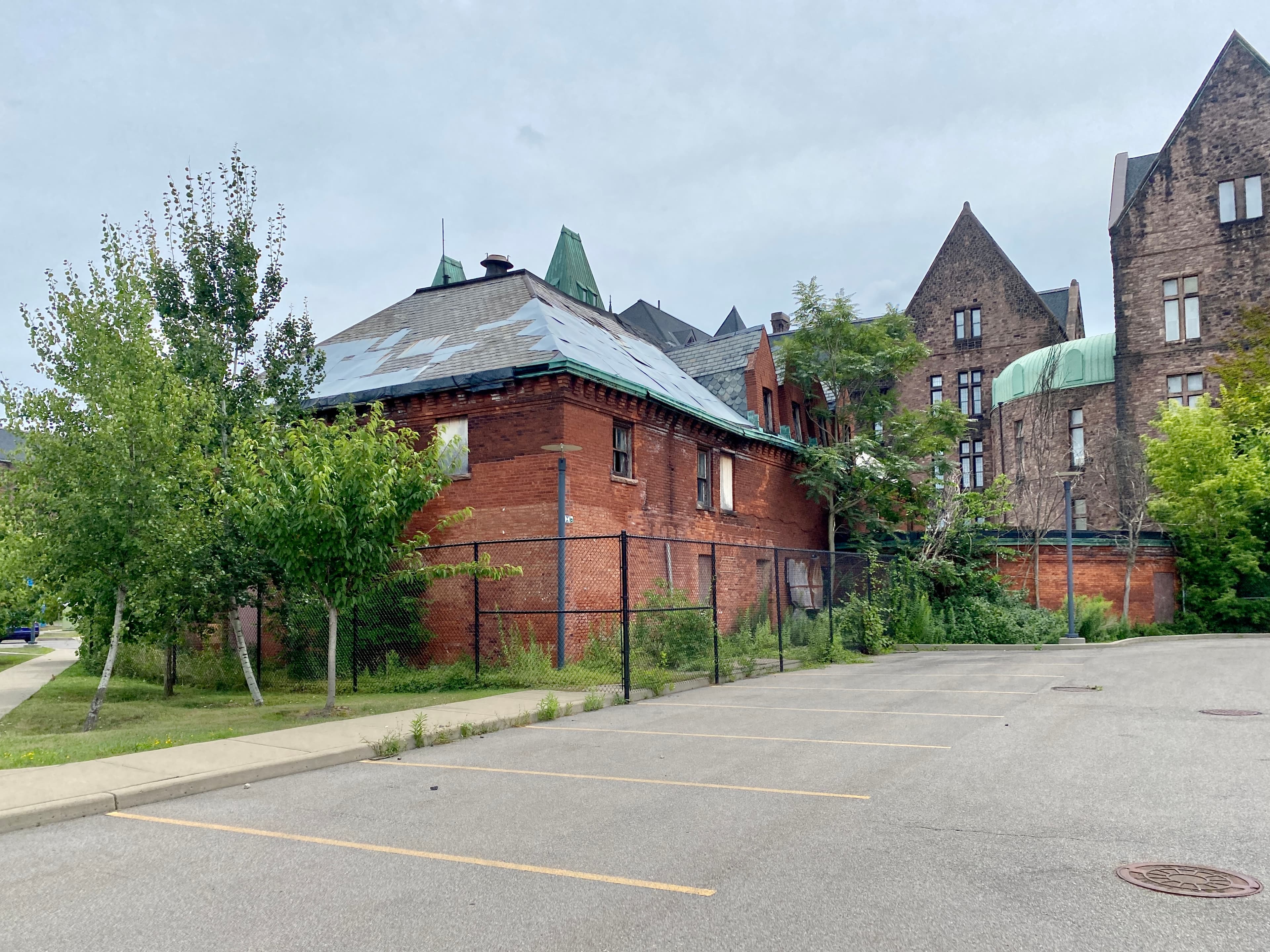


Allentown
One of New York State's largest contiguous urban historic districts, preserving an exceptional collection of mid-Victorian Italianate and Second Empire architecture.

Delaware Avenue
Buffalo's grand civic boulevard, once lined with the mansions of industrial titans and anchored by magnificent Beaux-Arts institutions.
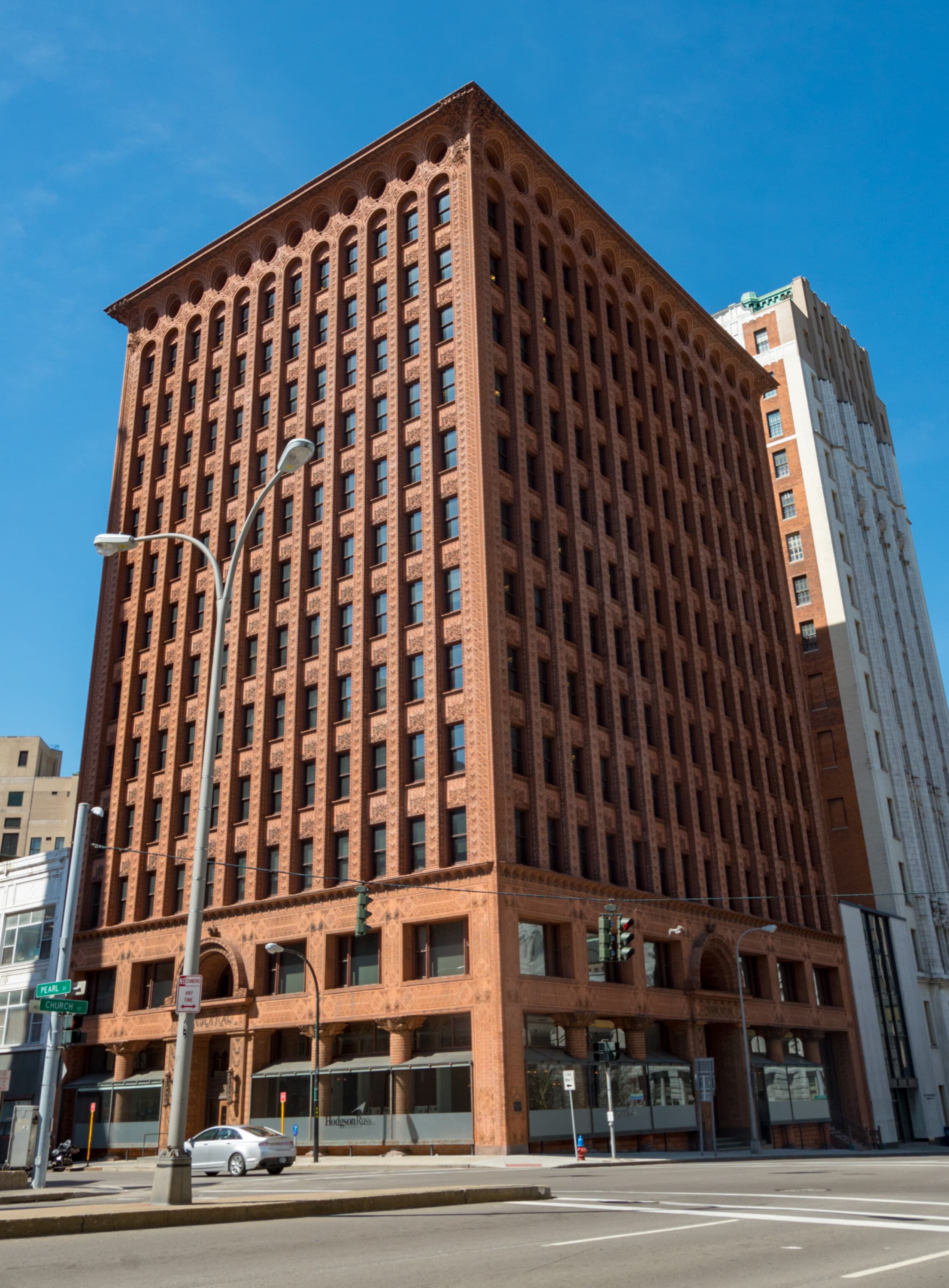
28 Church St
Louis Sullivan (with Dankmar Adler)
National Historic Landmark

595 Delaware Ave
Green & Wicks
National Register of Historic Places

800 Delaware Ave
Green & Wicks
National Register of Historic Places

641 Delaware Ave
Unknown
National Historic Landmark
North Buffalo
A broad residential district encompassing the Parkside neighborhood planned around Olmsted's Delaware Park, filled with Craftsman bungalows and early twentieth-century Foursquares.
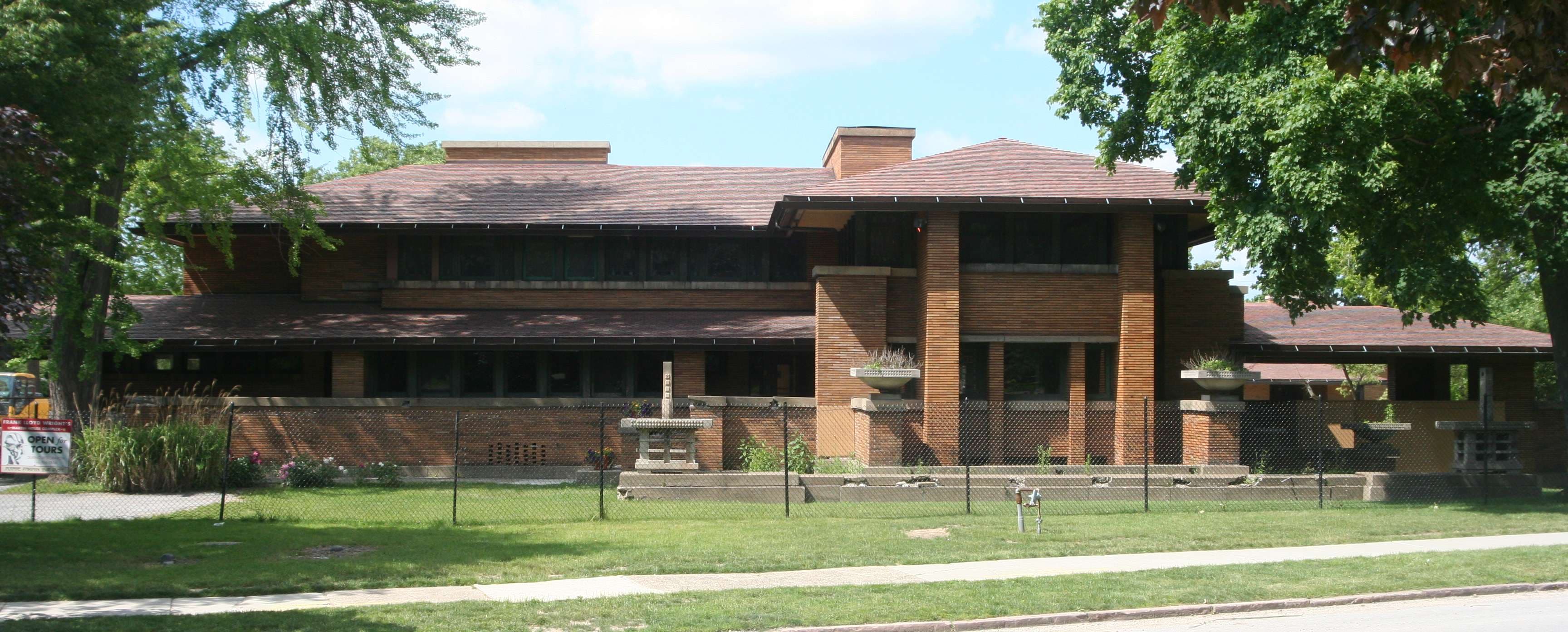

East Side
Buffalo's historic East Side holds a diverse architectural legacy, with surviving Victorian-era homes, institutional buildings, and early twentieth-century workers' housing.
No properties documented in this neighborhood yet.
Submit a Property →South Buffalo
South Buffalo's residential streets preserve a remarkable concentration of early twentieth-century working-class housing, including Irish and Polish immigrant neighborhoods.
No properties documented in this neighborhood yet.
Submit a Property →Downtown Buffalo
Buffalo's downtown core contains one of the most remarkable collections of commercial and civic architecture in America, from Gilded Age skyscrapers to Art Deco civic monuments.

391 Washington St
Louise Blanchard Bethune
National Register of Historic Places

295 Main St
D.H. Burnham & Company
National Register of Historic Places

65 Niagara Square
Dietel, Wade & Jones
National Register of Historic Places
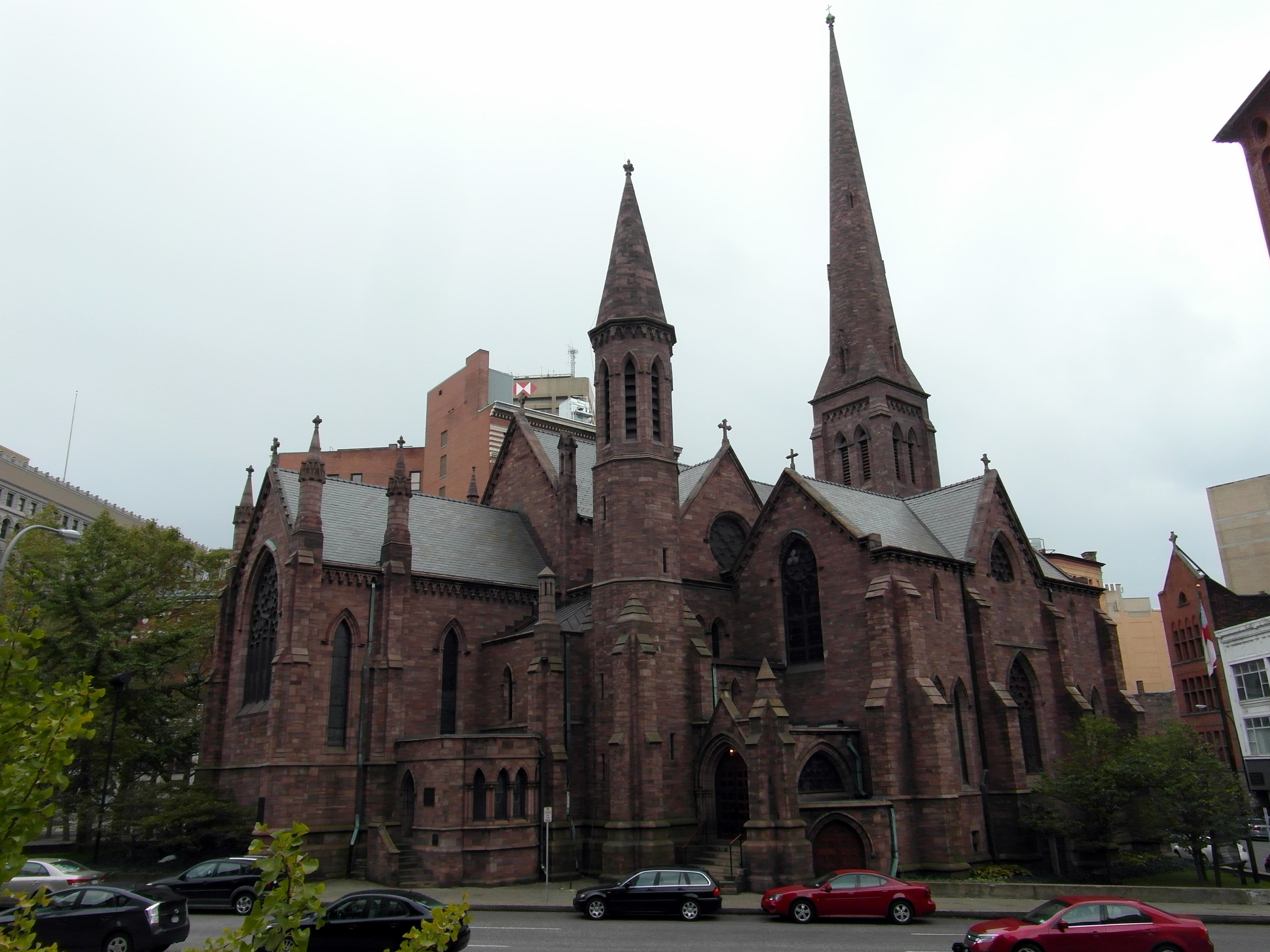
128 Pearl St
Richard Upjohn
National Register of Historic Places
East Aurora
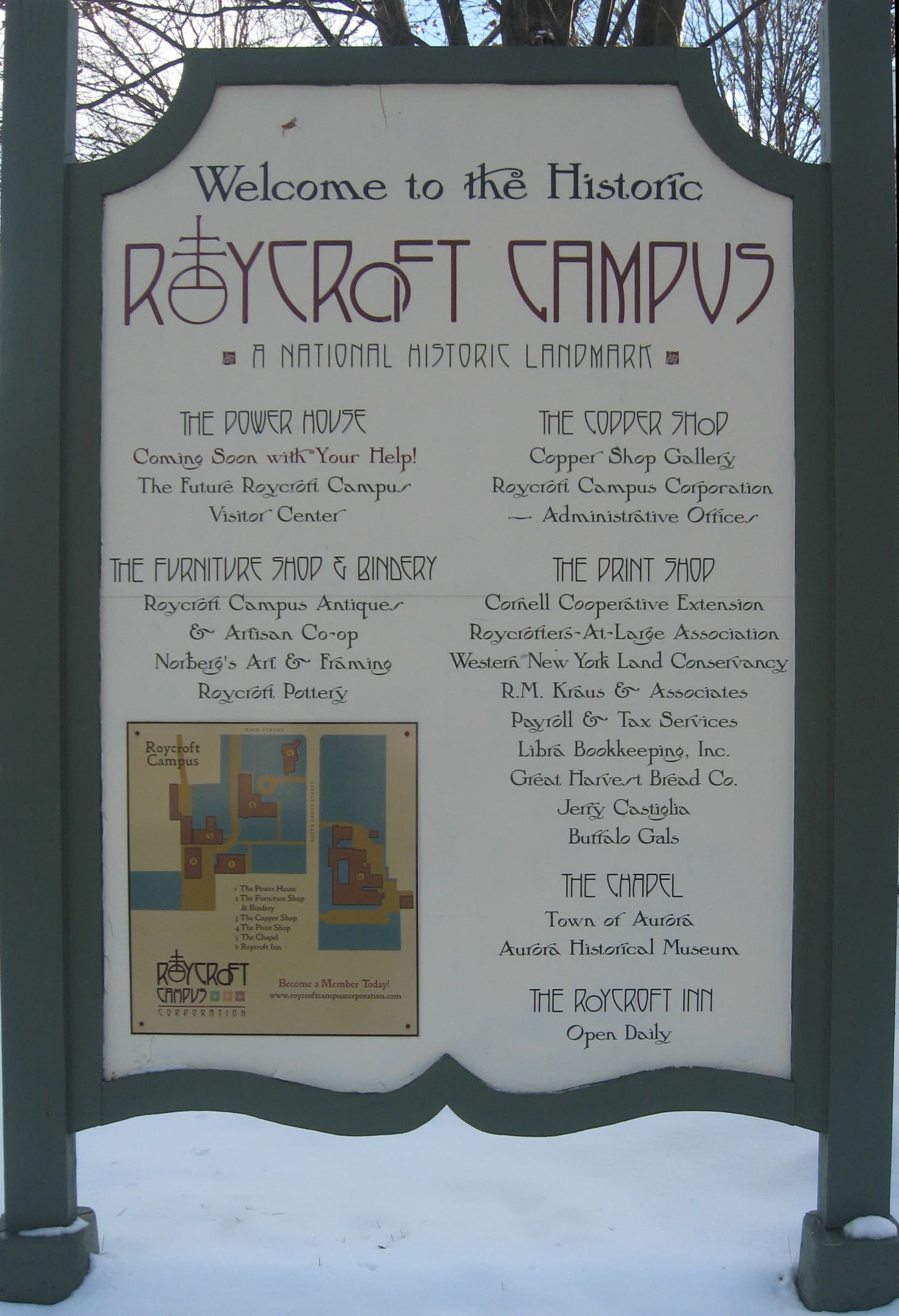
The village of East Aurora, eighteen miles southeast of Buffalo, was home to the Roycroft Arts and Crafts community — one of the most significant artistic movements in American history.
Niagara / Youngstown
The Niagara frontier, anchored by Old Fort Niagara at the mouth of the Niagara River, preserves three centuries of military and civic history at one of North America's most strategic locations.

Derby / Lake Erie
The Lake Erie shoreline south of Buffalo, including the hamlet of Derby in the Town of Evans, contains some of the region's most spectacular lakefront historic properties.

Chautauqua
The Chautauqua Institution grounds constitute a National Historic Landmark of extraordinary completeness — a Victorian planned community devoted to education, religion, and the arts.

Medina
Medina, an Erie Canal town in Orleans County, preserves a remarkable concentration of canal-era commercial and civic architecture built from the distinctive local Medina sandstone.

Lockport
Lockport owes its existence and name to the Erie Canal locks that conquered the Niagara Escarpment — one of the great engineering achievements of nineteenth-century America.

Brockport
Brockport, a Monroe County village on the Erie Canal, grew rapidly in the mid-nineteenth century as a prosperous agricultural and commercial center whose wealth is preserved in its fine Italianate and Greek Revival architecture.

Fredonia
Fredonia, in Chautauqua County, claims historic distinction as the site of the nation's first natural gas well and preserves an exceptional collection of nineteenth-century civic and residential architecture.
Know a Historic Buffalo Home?
Every neighborhood has hidden gems. If you own, live in, or know of a historic Buffalo home that deserves documentation, we want to hear from you.
Submit a Property